
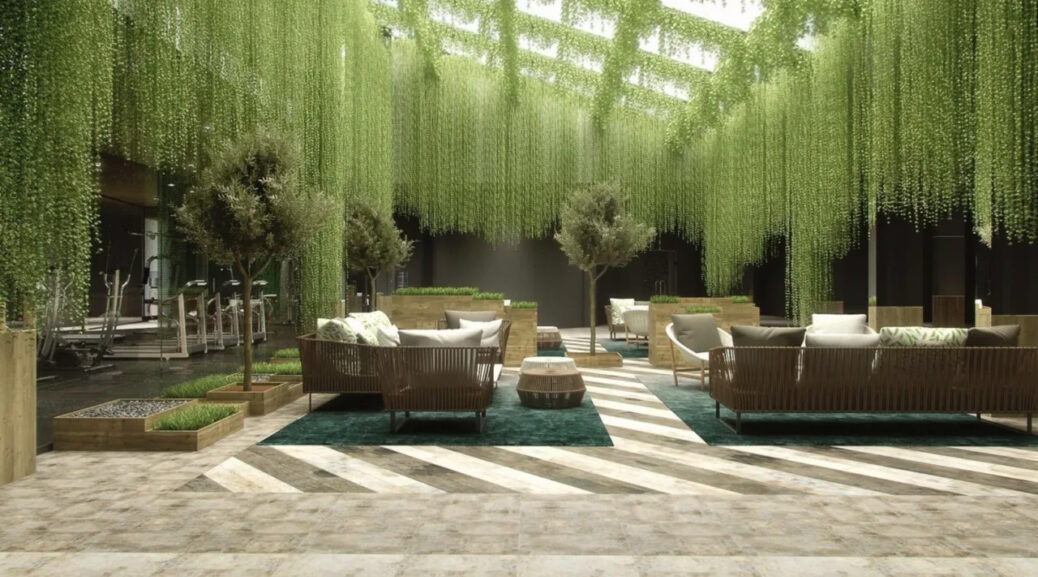
Bringing the Outside In: The Science of Biophilic Design
Have you ever walked into a room and immediately felt your shoulders drop and your breath deepen? Chances are, you were experiencing the effects of Biophilic Design.
“Biophilia” translates literally to “love of life.” In architecture and design, it refers to the practice of connecting the occupants of a building closer to nature. It is not just about putting a potted plant in the corner; it is a fundamental approach to how we build and live.
More Than Just Aesthetics For a long time, nature in design was treated as decoration. A vase of flowers here, a landscape painting there. But modern research shows that our connection to nature is biological. We spent 99% of our evolutionary history living outdoors. Confining ourselves to sterile, drywall boxes with fluorescent lighting causes stress.
Biophilic design seeks to remedy this. It incorporates natural lighting, ventilation, and landscape features directly into the structure.
Key Elements of Biophilic Interiors
-
Direct Visual Connection: Seeing nature. This is why ocean views or garden views command such high real estate prices.
-
Natural Materials: Using wood, stone, bamboo, and water. These materials have complex, fractal patterns that our brains find soothing.
-
Prospect and Refuge: This is an evolutionary theory. We like spaces that offer a view (prospect) but also feel protected (refuge). Think of a cozy reading nook with a window looking out over a valley.
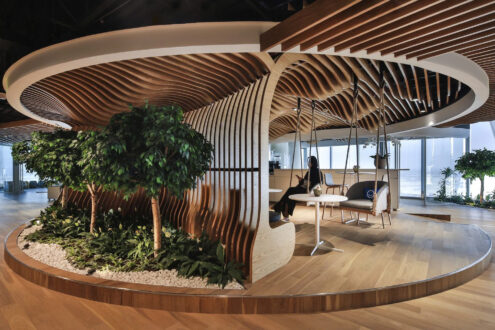
The Health Benefits The impact of this design philosophy is measurable. Studies have shown that hospital patients recover faster in rooms with garden views. Office workers are more productive in spaces with natural light.
For travelers, this is why tropical villas feel so restorative. They are essentially masterclasses in Biophilic Design. The open-air living rooms, the outdoor showers, the sound of water features—they all serve to reconnect our re-wired brains with the natural rhythms we evolved with.
If you are interested in diving deeper into how top architects are using these principles to change the way we live, Architectural Digest has an excellent breakdown of the trend here.